
Late-Night Smartphone Use May Affect Sleep and Daily Well-Being

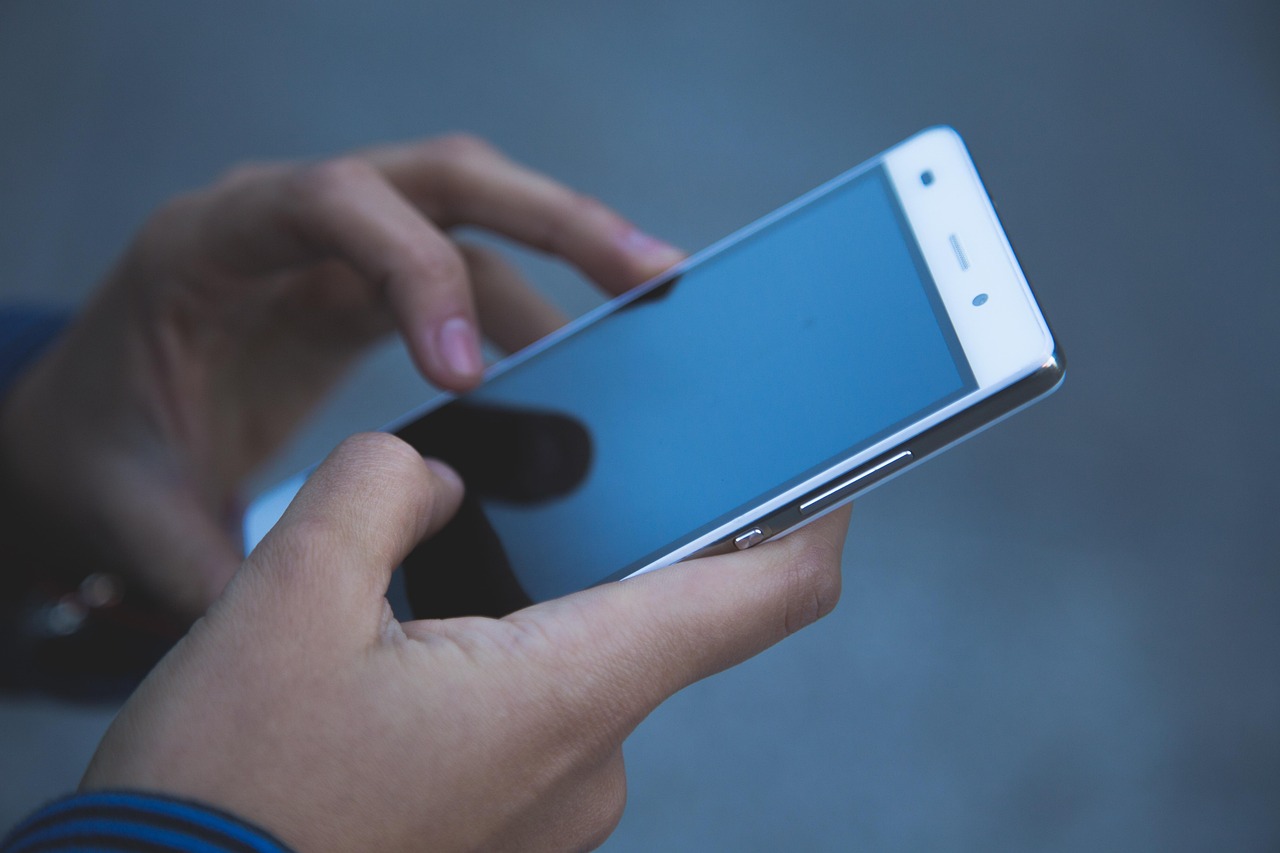
Using smartphones late at night has become a common habit for many people. Whether it is watching videos, scrolling through social media, responding to messages or browsing websites, spending extended periods on a phone before bedtime can become part of a daily routine. However, health experts have long highlighted the importance of maintaining healthy sleep habits, and excessive nighttime screen use can make that more difficult for some people.
One of the main concerns associated with late-night smartphone use is its potential effect on sleep. Smartphones produce light from their screens, and exposure to light in the evening can interfere with the body's normal preparation for sleep. In addition, engaging content, social media notifications and continuous scrolling can keep the brain active when a person should be preparing to rest.
Another issue is that smartphone use can simply delay bedtime. A person may plan to use a phone for a few minutes but continue scrolling or watching videos for much longer than expected. Repeating this habit regularly can reduce the amount of time available for sleep.
Poor sleep can affect how a person feels and functions the following day. Insufficient or disrupted sleep may be associated with tiredness, difficulty concentrating, irritability and reduced daytime alertness. People who regularly struggle with sleep may also find it harder to maintain productive daily routines.
Experts generally recommend creating a relaxing bedtime routine and reducing unnecessary screen use before going to sleep. Keeping the phone away from the bed, turning off non-essential notifications and setting a fixed time to stop using electronic devices can help establish healthier nighttime habits.
It is also useful to maintain a consistent sleep schedule and create a comfortable sleeping environment. Instead of spending the final part of the evening on social media or entertainment apps, people can consider quieter activities such as reading a printed book, listening to calm audio or simply preparing for the next day.
Smartphones are an important part of modern life, and completely avoiding them may not be practical for everyone. The key issue is how and when they are used. Being more conscious of nighttime smartphone habits can help people protect their sleep routine and support better overall daily well-being.