Indian classical arts have survived for centuries because generations of teachers, performers and cultural communities have carried their knowledge forward. In the modern era, however, preserving these traditions requires more than simply repeating established performances. It demands education, research, documentation, institutional support, festivals, responsible journalism and opportunities for younger generations.
This broader approach defines the cultural journey of Vikram Kumar B R, popularly known as Bathina Vikram Goud, whose career has developed across performance, choreography, theatre, research, cultural organisation and publishing.
For Vikram, the preservation of Indian classical arts is not about keeping tradition frozen in the past. His work reflects an effort to ensure that traditional knowledge remains meaningful and accessible while retaining its authenticity.
His artistic journey began in childhood, supported by continuous encouragement from his father. Formal education later strengthened his connection with Kuchipudi, culminating in a Master of Arts in Kuchipudi with distinction from Andhra University.
His academic interests took him deeper into the intellectual foundations of classical dance. His research into Siva Thandavam and Saptha Thandavam within the Kuchipudi tradition demonstrated an interest in the relationship between performance, literature, history and artistic interpretation.
At the same time, Vikram explored theatre through diplomas in acting and direction and around a decade of active involvement with the Department of Theatre Arts at Andhra University. This experience broadened his understanding of stagecraft, storytelling and dramatic presentation.
His work as a choreographer further expanded his artistic vision. One of his major productions, Chenchu Lakshmi Narasimha Kalyanam, combined Kuchipudi technique with traditional folk elements and was staged at more than 150 venues across India. Other productions addressed mythology, social awareness, youth themes and environmental concerns.
Yet perhaps the most significant transformation in his career came when he began creating institutions and platforms for other artists.
In 2000, he founded the Nataraj Music and Dance Academy, establishing a cultural service centre focused on training and promotion. The academy has supported learning in Kuchipudi, Indian folk traditions, classical music and instrumental music while organising workshops, seminars, competitions and festivals.
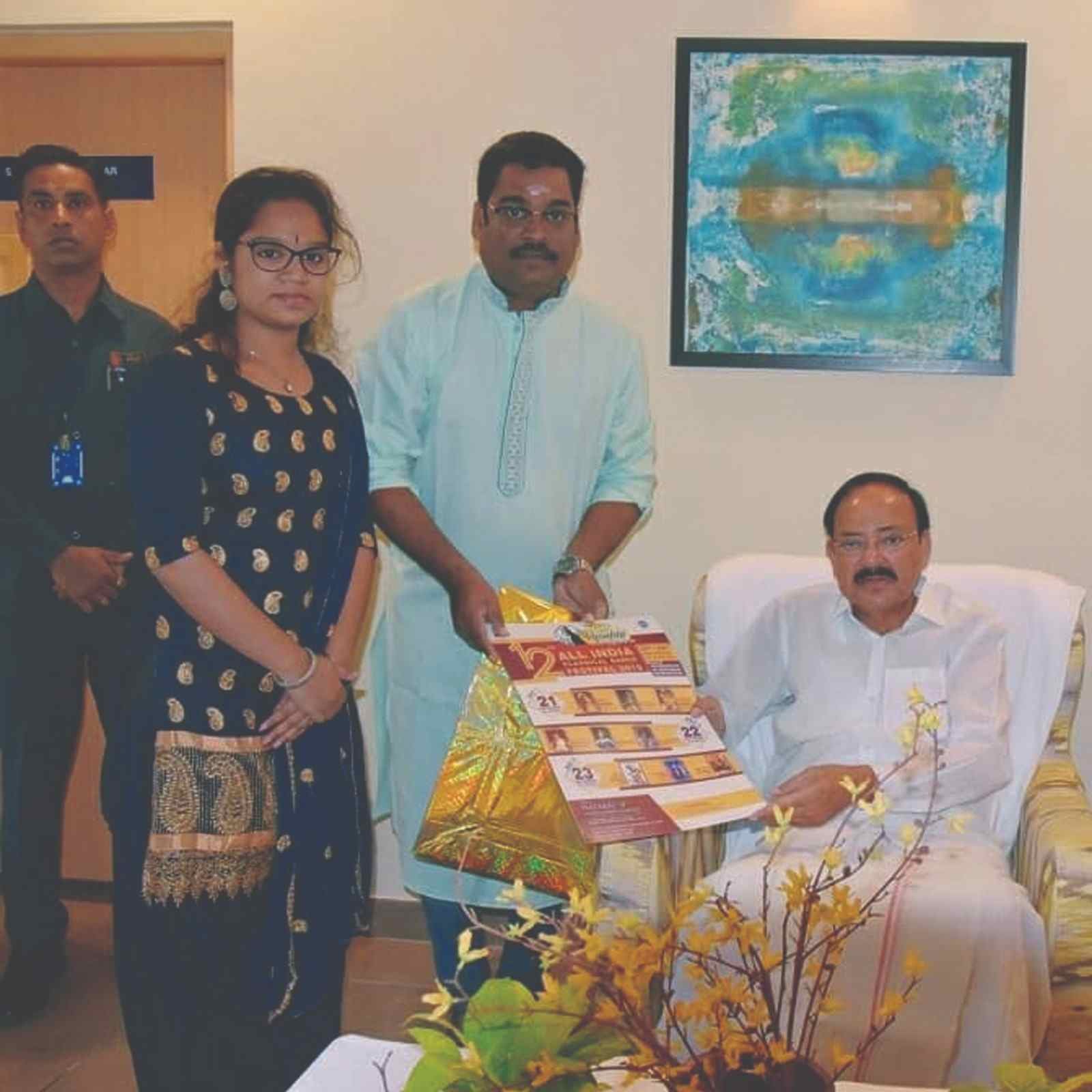
His festival initiatives created additional opportunities for performers. Vysakhi Nrithyotsav, Bharat Nrithyotsav, Nataraj Nrithyotsav, Sathyabhama Yuva Nrithyotsav, Jathis Music & Dance Festival, Amaravathi Nrithyotsav and other platforms have brought established masters and emerging artists together.
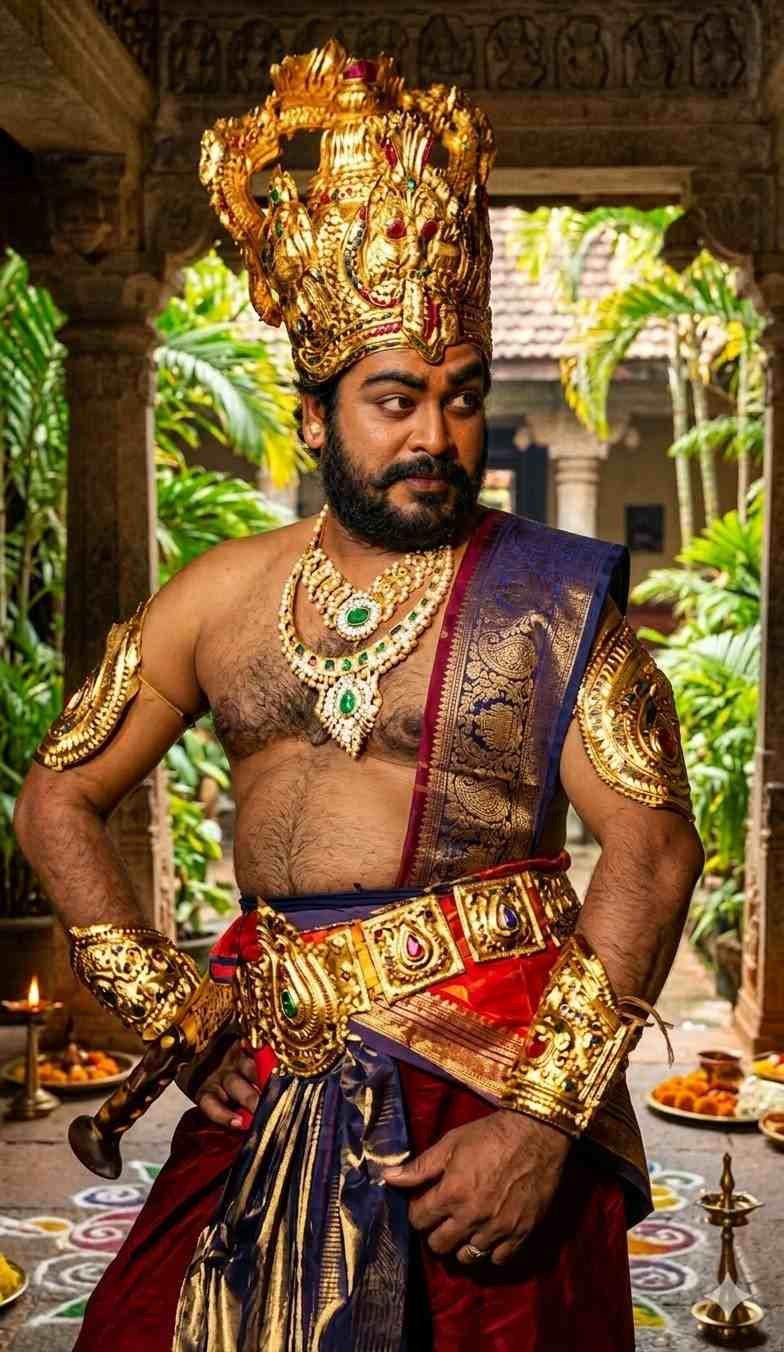
These initiatives reflect an important aspect of his philosophy: classical arts need an ecosystem. A talented dancer requires training, a stage, knowledgeable mentors, audiences, cultural institutions and sustainable opportunities.
His efforts have also extended into networking among festival organisers through the Federation of Classical Dance Festival Organisers (FCDFO). The objective is to strengthen cooperation, exchange knowledge and resources, support artists and create a more sustainable festival environment.
The International Traditional Dance Congress (ITDC) adds another dimension to this vision by bringing practitioners, scholars, teachers and cultural representatives together for performances, workshops, discussions, research presentations and cultural exchange.
Documentation is another central pillar.
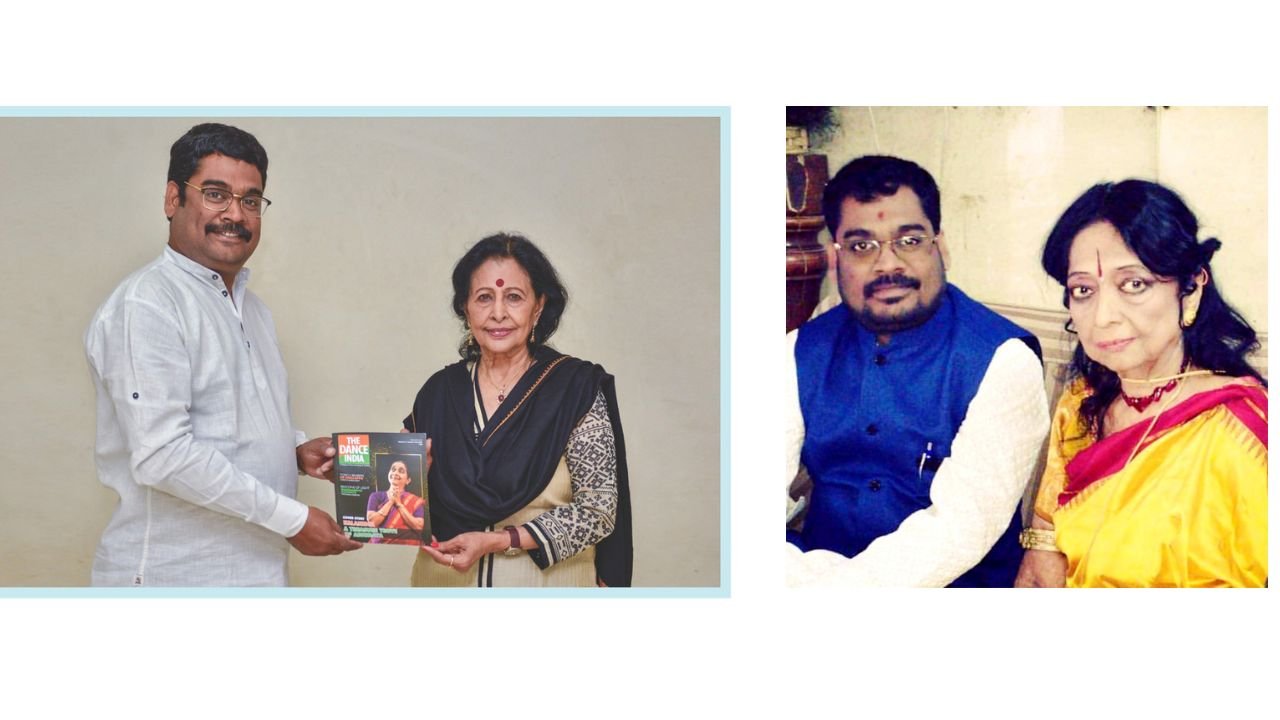
As editor of The Dance India, Vikram has worked to record the contributions of artists, performances, historical personalities and traditional practices. The publication has been described as reaching more than 650 libraries across India, giving cultural journalism a potentially long-term role in education and research.
His publishing initiatives have included biographical books associated with Kuchipudi legend Padma Bhushan Dr. Vempati Chinna Satyam. More than 10,000 complimentary copies of The Reformer and Kuchipudi Vythalikudu were distributed, demonstrating an emphasis on making cultural knowledge widely accessible.
For Vikram, documentation is not separate from preservation. An artistic tradition consists not only of movements and compositions but also of the stories of gurus, performers, researchers and communities who shaped it.
This perspective has also led him to advocate greater awareness of copyright and intellectual property in the arts. In the digital era, choreography, music, photographs, articles and archival material can be reproduced rapidly. Protecting artistic ownership while ensuring that cultural knowledge remains accessible is therefore an increasingly important challenge.
His philosophy seeks a balance between preservation and development. Traditional arts must retain their identity, but they also need opportunities to reach new audiences and younger generations.
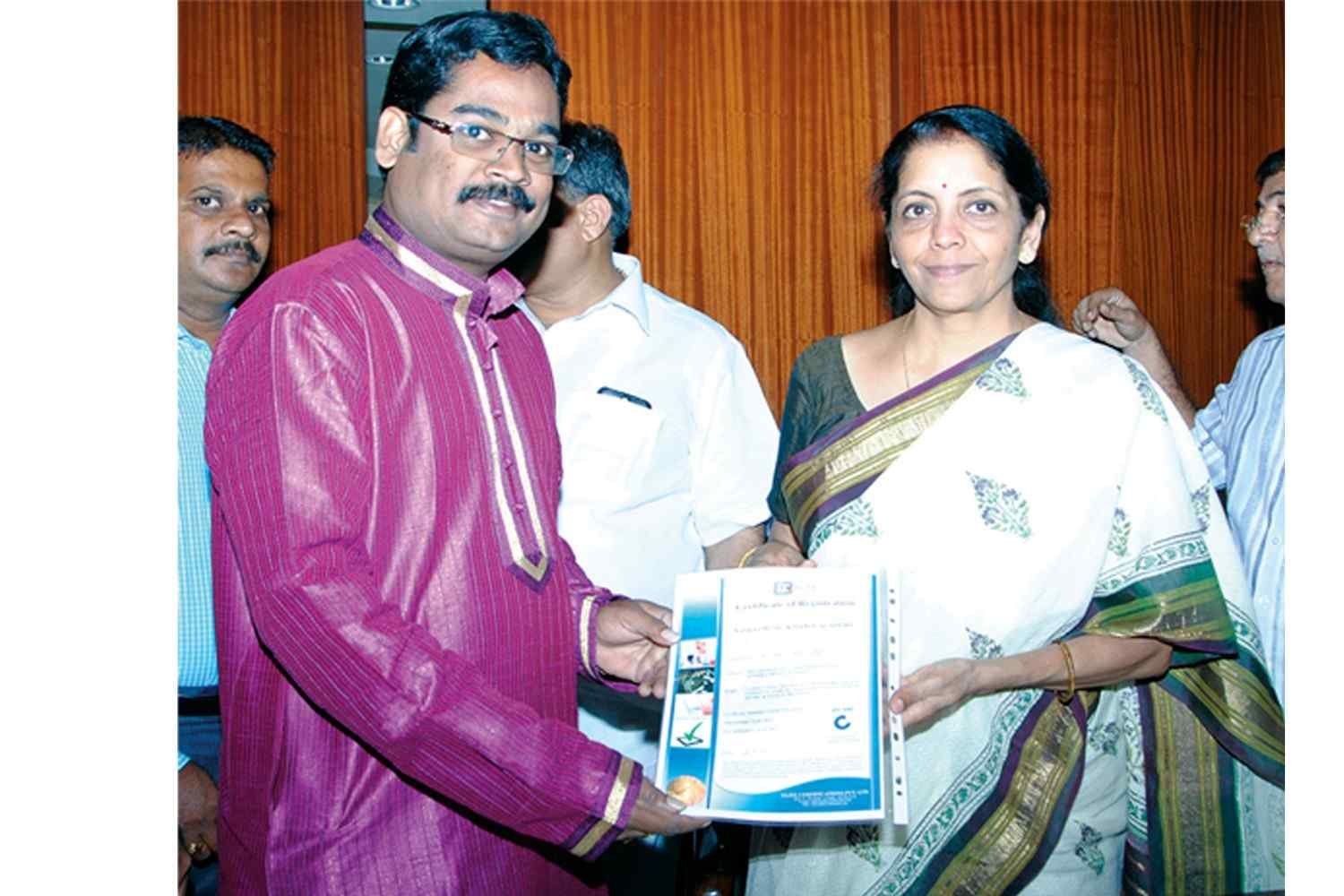
The recognition Vikram Kumar B R has received from government, cultural and professional organisations reflects the breadth of this work. His honours include the Republic Day Excellence Award, recognition from the Public Relations Society of India, the International Dance Congress Award of Excellence and several cultural awards.
Ultimately, his journey represents more than the career of a Kuchipudi artiste. It demonstrates how an individual can contribute to culture through multiple interconnected roles.
As a performer, he keeps tradition visible.
As a researcher, he explores its knowledge.
As a choreographer, he develops new presentations.
As an organiser, he creates platforms.
As an institution builder, he supports training.
As an editor, he documents cultural history.
And as an advocate, he highlights the importance of artistic ownership and authenticity.
The larger vision is one of continuity.
Indian classical arts belong to the past because they have inherited centuries of knowledge, but they also belong to the future because every generation must reinterpret, practise and transmit that knowledge.
Vikram Kumar B R’s body of work reflects an attempt to connect these two responsibilities—preserving yesterday while empowering tomorrow.
His cultural journey ultimately suggests that heritage survives strongest when it is not merely remembered, but actively taught, performed, documented, protected and shared.